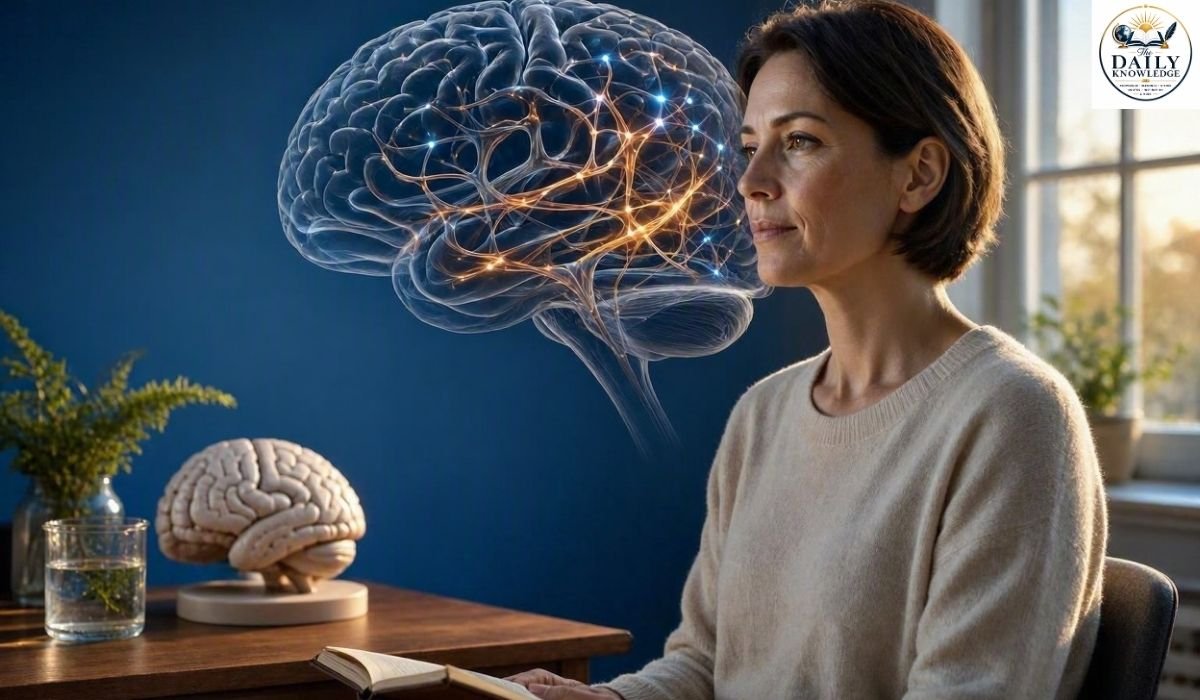
You’ve probably heard that “the brain can rewire itself” — but what does that actually mean, mechanically? Neuroplasticity isn’t a vague inspirational idea. It’s a specific, well-documented biological process, and understanding how it actually works makes it much easier to use it on purpose — whether you’re learning a skill, recovering from an injury, or trying to break a habit.
This guide breaks down what neuroplasticity is, the two distinct ways it happens, and what the research actually supports about strengthening it.
What Is Neuroplasticity?
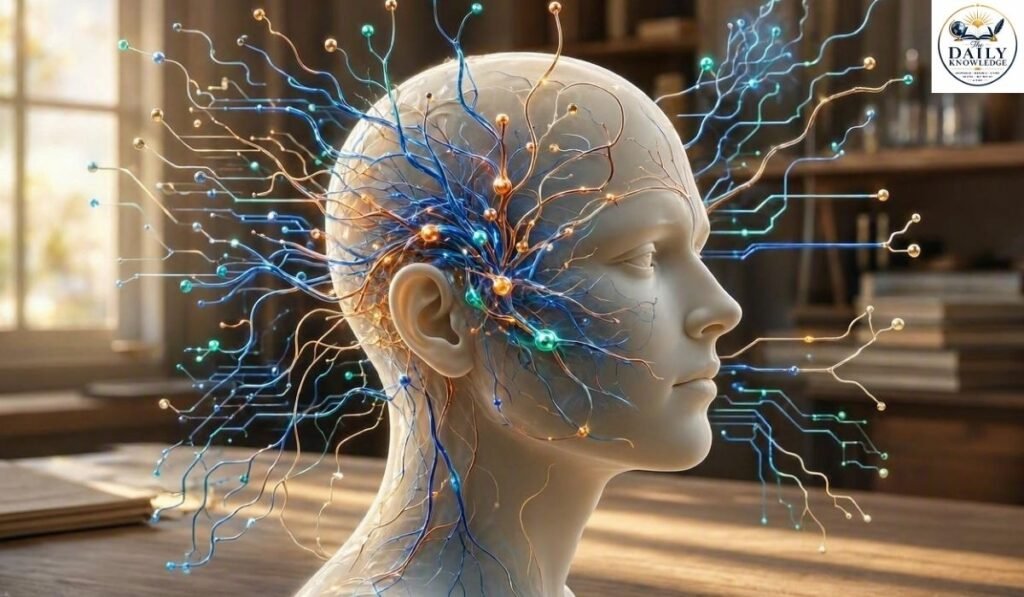
Neuroplasticity is your brain’s ability to reorganize itself by forming new neural connections throughout life. Your brain contains roughly 86 billion neurons, communicating through tiny electrical and chemical signals across connections called synapses. Every time you learn something or repeat an action, some of these connections get stronger, weaker, or entirely new ones form.
This isn’t limited to childhood. For decades, scientists assumed the adult brain was essentially fixed after a certain age — that idea has been overturned. The brain retains a meaningful capacity to change well into old age, though the process does look somewhat different than it does in a developing brain.
The Two Types of Neuroplasticity
Understanding the difference between these two matters, because most explanations blur them together.
Functional plasticity happens first. It’s a shift in how your brain uses existing neurons — the same cells firing in new patterns or new combinations. Think of learning a new golf swing: your arms haven’t changed, but the neurons controlling them start coordinating differently.
Structural plasticity happens with repetition. Over time, the physical architecture of the brain itself changes — new synaptic connections form, and pathways used repeatedly become physically stronger and more efficient. This is why practicing a skill for weeks produces a different result than practicing it once.
The practical takeaway: the first few times you try something new, you’re only using functional plasticity — nothing has “stuck” yet. Structural change requires repetition over time, which is part of why new habits and skills feel effortful at first and gradually feel automatic.
Why Neuroplasticity Matters Beyond Learning
Recovery from injury. After a stroke or brain injury, neuroplasticity is often what allows undamaged areas of the brain to take over functions previously handled by damaged regions gradually. This is the biological basis for physical and cognitive rehabilitation therapy — it isn’t guesswork; it’s deliberately triggering this process.
Mental health and habit change. The same mechanism that lets you learn a language lets therapy reshape thought patterns and lets old habits get replaced with new ones. Neither is instant — both rely on the same repetition-dependent process described above.
Cognitive aging. While some cognitive changes are a normal part of aging, neuroplasticity is part of why mentally active older adults often maintain sharper cognitive function than less engaged peers of the same age — the brain that keeps forming new connections tends to stay more resilient.
What Actually Strengthens Neuroplasticity
Research points to a few specific, well-supported factors — not vague “brain training” claims.
Meaningful difficulty, not passive repetition. Activities that are genuinely challenging — not just familiar — drive greater structural change. Something you’ve already mastered offers little further plasticity benefit; something moderately difficult, tied to a real goal, does more.
Consistent repetition over time. Structural plasticity doesn’t happen from one session. Spaced, regular practice over weeks is what converts a functional shift into a lasting structural one.
Physical exercise. Regular aerobic activity increases blood flow and oxygen delivery to the brain and is associated with the growth of new neural connections, particularly in regions tied to memory.
Sleep. During sleep, the brain consolidates the connections formed during the day — this is a core part of how short-term learning becomes long-term, structural change, not a separate wellness tip.
Novelty. Genuinely new experiences — not just repeating familiar routines — appear to stimulate plasticity more effectively than well-worn habits, which is part of why learning something entirely unfamiliar (a language, an instrument) tends to have an outsized cognitive benefit compared to minor variations on things you already do.
5 Research-Backed Ways to Practice This, Specifically
Most lists of “neuroplasticity exercises” are generic — puzzles, brain-training apps, meditation, repeated without explaining why. Here’s what’s actually backed by more specific evidence:
1. Learn a musical instrument. Learning music involves reading notation, coordinating movement, and processing sound simultaneously — a combination that engages more of the brain at once than most single-skill activities. A 2015 review found that people who learned music in childhood showed a lower risk of cognitive decline later in life, and music training continues to show measurable structural brain changes in adults who take it up later.
2. Manage chronic stress directly, not as an afterthought. According to Harvard Health, chronic stress raises cortisol, a hormone that can damage neurons and actively inhibit neuroplasticity — meaning stress isn’t just uncomfortable; it works against the exact process you’re trying to strengthen. Mindfulness meditation has research support for promoting structural and functional changes in brain regions tied to attention and emotional regulation specifically.
3. Choose skills with real stakes, not abstract games. Puzzle apps improve your performance on that specific puzzle. Skills tied to a genuine goal — learning a language to use on an upcoming trip, picking up an instrument to play with people — appear to drive more durable structural change than isolated brain-training exercises, likely because motivation and meaning are themselves part of what strengthens the process.
4. Break skills into small, completable steps. This matters most in rehabilitation contexts, but the principle holds generally: manageable, achievable steps build the confidence and consistency needed for repetition — and repetition, not intensity, is what converts functional change into structural change.
5. Pair physical movement with the skill when possible. Movement-based learning (dance, sport-based skill acquisition, even walking while processing new information) combines the blood-flow benefits of exercise with active cognitive engagement — two plasticity-supporting factors at once instead of one.
Common Misconceptions About Brain Plasticity
“You only use 10% of your brain.” This is false. Brain imaging shows that different regions activate for different tasks throughout the day — nearly all regions have identified functions, and neuroplasticity itself depends on widespread neural activity, not a mostly-dormant organ waiting to be unlocked.
“Adults can’t really change their brains.” Also false, and directly contradicted by everything neuroplasticity research has shown over the past few decades. The rate and ease of change shifts with age, but the capacity doesn’t disappear.
“Brain training apps rewire your brain.” Partially true, partially oversold. Repetitive brain-training games can improve your performance on that specific game, but evidence that this transfers broadly to general cognitive ability is much weaker than the marketing suggests. Genuinely difficult, varied, real-world skill-building has stronger support than repetitive app-based drills.
Frequently Asked Questions
How long does it take for neuroplasticity to create lasting change?
There’s no fixed universal number — it depends on the complexity of the skill and consistency of practice. Functional changes can begin almost immediately; structural, lasting changes generally require weeks of consistent repetition, not days.
Can neuroplasticity help after a stroke or brain injury?
Yes. It’s the core mechanism behind most physical and cognitive rehabilitation after brain injury, allowing undamaged regions to gradually take over functions from damaged areas, particularly with consistent, targeted therapy.
Does neuroplasticity decline with age?
The brain does change with age, and plasticity may require more consistent effort to activate in later life. But it doesn’t disappear — older adults who stay mentally and physically active continue to show meaningful neuroplastic change.
Are brain-training apps an effective way to build neuroplasticity?
They can improve performance on the specific tasks they train, but evidence for broad, real-world cognitive benefit is limited. Research better supports learning genuinely new, challenging skills than repetitive app-based games.
What’s the difference between functional and structural plasticity?
Functional plasticity is an early shift in how existing neurons fire together; structural plasticity is the physical, lasting change in the brain’s connections that develops with repeated practice over time.
Final Thoughts
Neuroplasticity isn’t a metaphor — it’s a specific, mechanical process your brain runs constantly, whether you’re deliberately using it or not. Understanding the functional-to-structural pathway explains why new skills feel hard at first and easier later, why rehabilitation takes time, and why genuinely challenging, repeated practice beats passive repetition. You don’t need special tools to use it — consistency, real difficulty, sleep, and movement are what the research actually supports.

Azra Chattha is the founder and content creator of The Daily Knowledge. He is passionate about sharing inspiring blessings, prayers, quotes, wishes, and informative articles that educate, motivate, and bring positivity into people’s lives. His mission is to provide reliable, valuable, and easy-to-understand content that helps readers learn something new every day.
1 thought on “How Neuroplasticity Works: The Science of Rewiring Your Brain”