Every year, Hispanic Heritage Month brings attention to the histories, cultures, achievements, and contributions of Hispanic and Latino communities across the United States. At the center of the 2026 observance is the Hispanic Heritage Month 2026 theme, “Unidos, Somos Más,” which translates to “Together, We Are More.” The phrase highlights the strength of unity while recognizing that Hispanic and Latino heritage represents a rich mix of countries, cultures, languages, traditions, and experiences.
Observed from September 15 through October 15, Hispanic Heritage Month has deep historical connections to the independence anniversaries of several Latin American countries. Understanding the Hispanic Heritage Month 2026 theme provides useful context for why this annual observance matters and how its message connects with the diverse communities it recognizes.
In this guide, we’ll explore what “Unidos, Somos Más” actually means, why Hispanic Heritage Month is celebrated, why the observance begins on September 15, and some of the most common questions people ask about Hispanic Heritage Month each year.
What Does “Unidos, Somos Más” Mean?
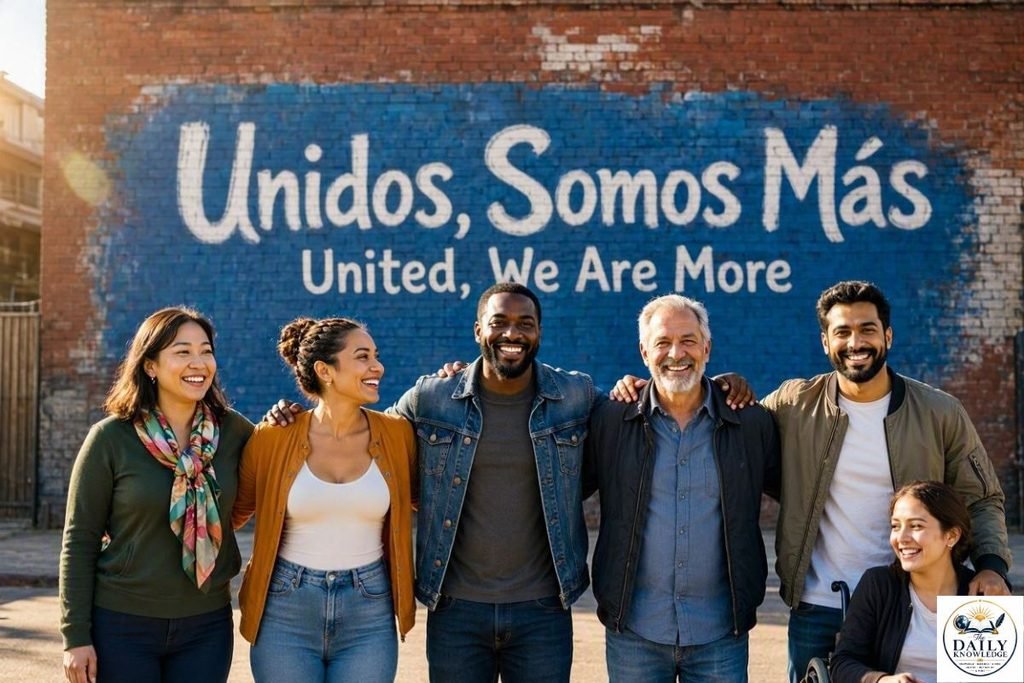
Translated literally, “Unidos, Somos Más” means “United, We Are More,” commonly rendered as “Together, We Are More” in English-language materials. The phrase centers on collective identity and community strength, framing Hispanic and Latino heritage not as a single, uniform experience, but as something made richer through the diversity of the many countries, cultures, and histories it represents.
Themes for the observance typically shift year to year, but they consistently emphasize similar ideas: unity, resilience, and the ongoing contributions of Hispanic and Latino communities to American life. The 2026 theme communicates that same emphasis, centering specifically on collective strength across a genuinely diverse population.
Why Is Hispanic Heritage Month Celebrated?
Hispanic Heritage Month exists to recognize the histories, achievements, and contributions of Americans with ancestry tracing back to Spain, Mexico, the Caribbean, and Central and South America. Congress established Hispanic Heritage Week through legislation in 1968, and President Lyndon B. Johnson issued the first proclamation. Congress then expanded it into the full September 15 to October 15 observance in 1988, during Ronald Reagan’s presidency.
The observance covers a wide range of contributions, spanning civil rights advocacy, military service, science, business, and the arts. It also serves as a period of reflection on population growth and representation, with the U.S. Census Bureau reporting that Hispanic and Latino Americans make up roughly 19% of the total U.S. population, making them the largest racial or ethnic minority group in the country.
Why Does It Run From September 15 to October 15?
Unlike most monthlong observances that begin on the first of the month, Hispanic Heritage Month deliberately starts mid-September. The date was chosen to align with the independence anniversaries of several Latin American nations: Costa Rica, El Salvador, Guatemala, Honduras, and Nicaragua all mark their independence on September 15, followed by Mexico on September 16 and Chile on September 18.
Extending the observance through October 15 also allows it to include October 12, a date recognized differently across communities and countries, historically observed in the United States as Columbus Day, and marked by some Hispanic and Latino communities under other names, including “Día de la Raza,” depending on regional and cultural tradition.
What Countries Are Recognized During Hispanic Heritage Month?
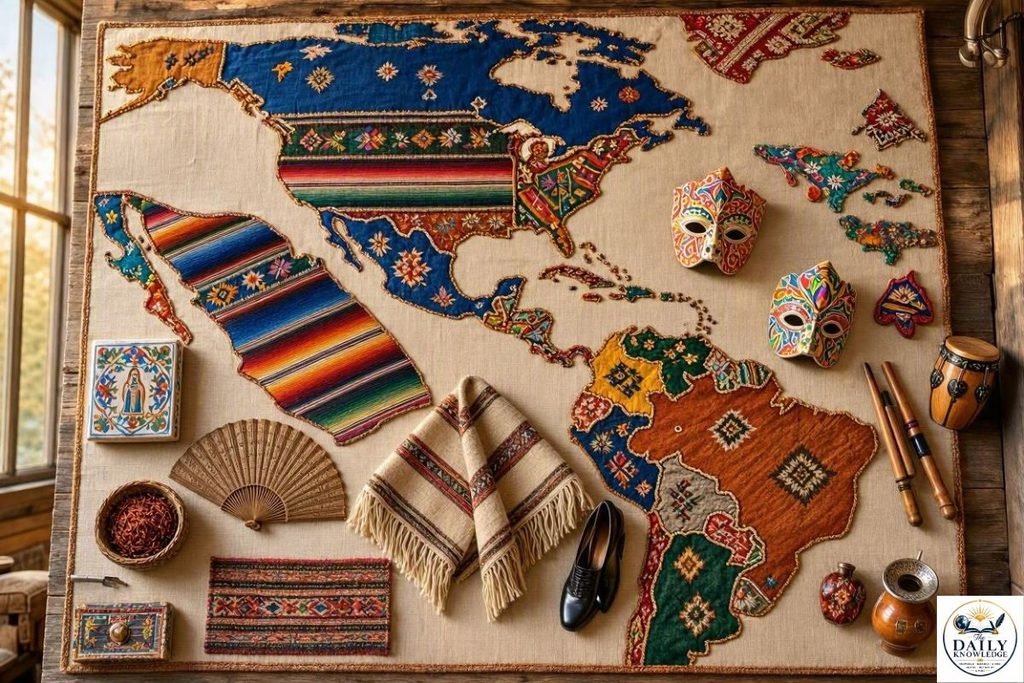
The observance recognizes heritage connected to Spain and all of Latin America, including Mexico, the nations of Central America, South America, and Spanish-speaking Caribbean places, including Cuba, Puerto Rico, and the Dominican Republic. It reflects both Hispanic identity, tied to Spanish-language and Spanish colonial heritage, and Latino identity, which more broadly includes anyone with roots in Latin America regardless of language, though how individuals and institutions define and use these terms can vary.
10 Fun Facts About Hispanic Heritage Month
- It’s one of the only U.S. observances that doesn’t start on the first day of a month, a direct result of its ties to Latin American independence dates.
- The observance began as just one week in 1968 before being expanded to a full month two decades later, in 1988.
- Hispanic and Latino Americans are the largest racial or ethnic minority group in the United States, based on Census Bureau data.
- Five Central American countries, Costa Rica, El Salvador, Guatemala, Honduras, and Nicaragua, celebrate independence on September 15, a shared date rooted in their common regional history under Spanish colonial rule.
- Mexico’s independence day, September 16, falls within the observance and is one of its most widely recognized dates.
- The month includes October 12, historically observed as Columbus Day and marked by some communities under other names, including Día de la Raza, depending on regional tradition.
- Sonia Sotomayor became the first Latina Supreme Court Justice in 2009, a milestone frequently highlighted during the observance.
- Dr. Ellen Ochoa became the first Latina astronaut in 1993, later serving as director of NASA’s Johnson Space Center.
- Hispanic and Latino players have long made up a significant share of Major League Baseball rosters, with figures reported in recent seasons commonly cited in the range of 25 to 30%, reflecting the community’s long-standing influence on American sports.
- Each year’s official theme reflects a current cultural or social emphasis, with 2026’s theme centering on unity and collective strength.
Frequently Asked Questions
If you’re looking for clear answers about the Hispanic Heritage Month 2026 theme, the questions below cover some of the most common things people want to know about this year’s observance. From the meaning of “Unidos, Somos Más” to the history behind the September 15–October 15 celebration, this FAQ provides a quick overview of the Hispanic Heritage Month 2026 theme and its wider significance.
What is the Hispanic Heritage Month 2026 theme?
The 2026 theme is “Unidos, Somos Más,” meaning “Together, We Are More.” It emphasizes unity and collective strength across the many countries and cultures represented within Hispanic and Latino communities.
Why is Hispanic Heritage Month celebrated in September and October?
It runs from September 15 to October 15 to align with the independence days of several Latin American countries, including Costa Rica, El Salvador, Guatemala, Honduras, Nicaragua, Mexico, and Chile, all of which fall within that window.
What countries celebrate Hispanic Heritage Month?
The observance recognizes heritage connected to Spain and all Latin American countries, including Mexico, Central America, South America, and Spanish-speaking Caribbean places like Cuba, Puerto Rico, and the Dominican Republic.
Is Hispanic Heritage Day the same as Hispanic Heritage Month?
“Hispanic Heritage Day” isn’t an official separate observance in the same way the month is. The term is sometimes used informally to refer to specific dates within the month, particularly September 15, which marks the start of the observance and several countries’ independence days.
Hispanic Heritage Month is one of the few U.S. observances built directly around a cluster of historical dates rather than a calendar convenience. The Hispanic Heritage Month 2026 theme, “Unidos, Somos Más,” adds another layer of meaning by emphasizing the strength found in unity while recognizing the diversity of Hispanic and Latino communities.
Understanding both the reasoning behind its timing and the meaning of the Hispanic Heritage Month 2026 theme gives the observance more context than a simple date range on a calendar. It also provides an opportunity to learn about the histories, cultures, achievements, and contributions that continue to shape communities across the United States.

Azrar Chattha is the founder and content creator of The Daily Knowledge. He is passionate about sharing inspiring blessings, prayers, quotes, wishes, and informative articles that educate, motivate, and bring positivity into people’s lives. His mission is to provide reliable, valuable, and easy-to-understand content that helps readers learn something new every day.
5 thoughts on “Hispanic Heritage Month 2026 Theme: What “Unidos, Somos Más” Actually Means”