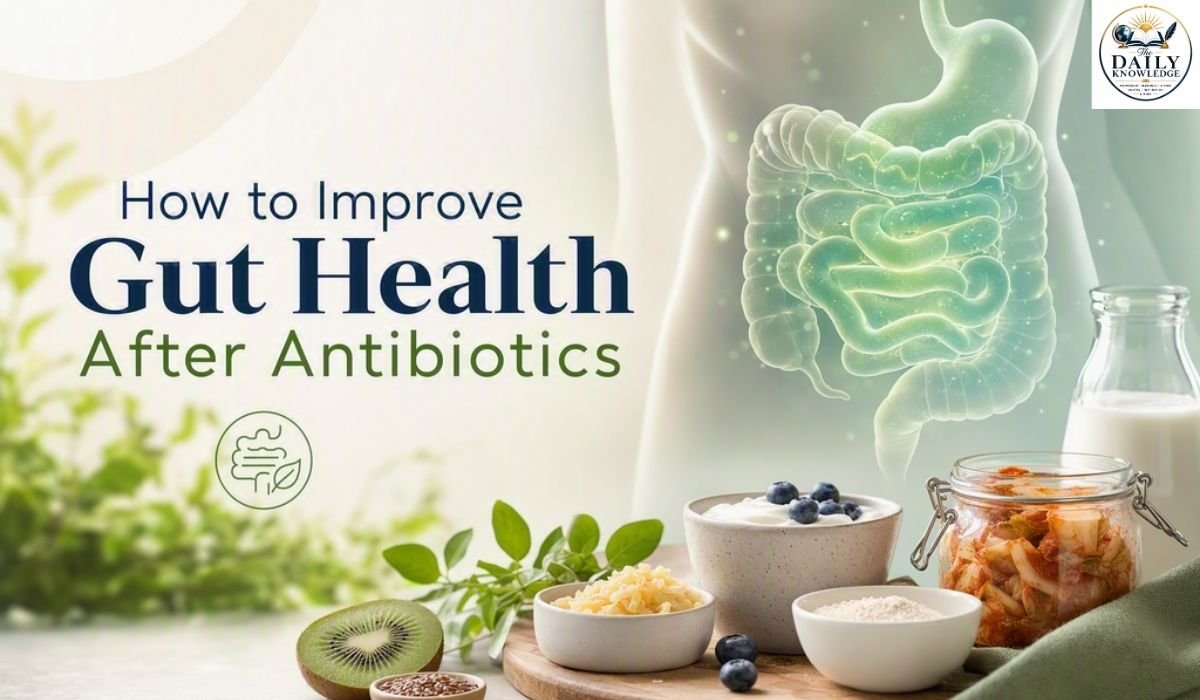
Antibiotics are lifesaving, but they don’t distinguish between the harmful bacteria causing your infection and the beneficial bacteria that keep your gut running. If you’re trying to figure out how to improve gut health after antibiotics, you’ve probably noticed the bloating, diarrhea, or general digestive discomfort that often follows a course of treatment — signs your gut microbiome has been disrupted, a state doctors call dysbiosis.
Most advice on gut health after antibiotics jumps straight to “take a probiotic.” The actual research is more nuanced than that — and knowing the nuance can help you recover faster, not slower.
Why Antibiotics Disrupt Your Gut in the First Place
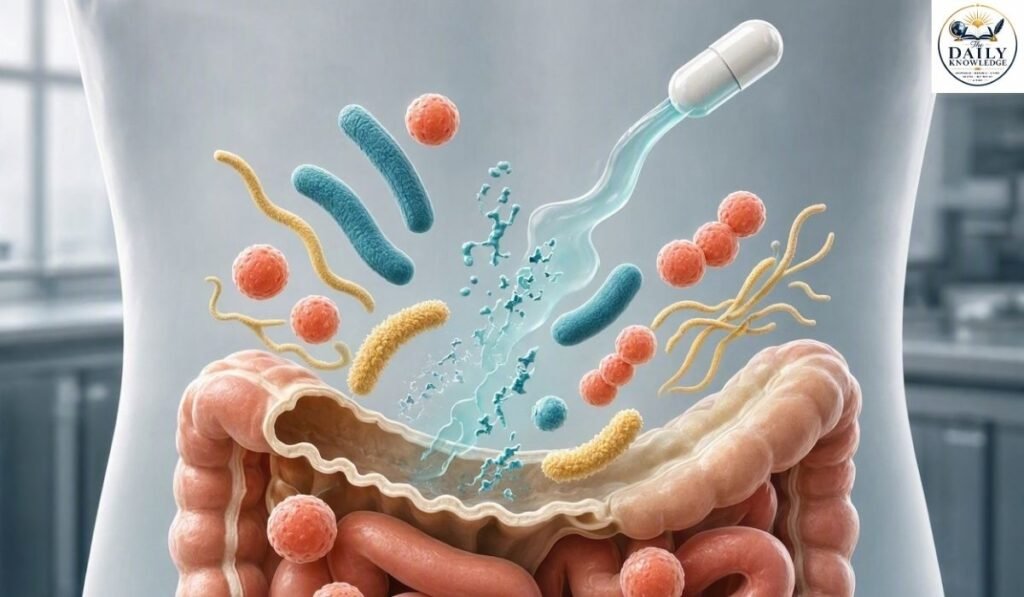
Antibiotics kill bacteria indiscriminately. While they clear the infection, they can wipe out a significant portion of your gut microbiome along with it — sometimes as much beneficial bacteria as harmful. This imbalance is what causes the bloating, loose stools, or general digestive discomfort many people notice during or after a course of antibiotics.
The type of antibiotic, the dose, and how long you took it all affect how much disruption occurs and how long recovery takes.
The Probiotic Nuance Most Articles Skip
Conventional advice says to take probiotics immediately after finishing antibiotics. But research reviewed by UCLA Health found something counterintuitive: introducing a limited set of probiotic bacteria right after antibiotics can actually slow down the return of your gut’s full, diverse microbial community. The few probiotic strains can colonize the freshly cleared gut and crowd out the broader diversity your microbiome needs to fully recover.
This doesn’t mean probiotics are useless — some strains, like Saccharomyces boulardii and certain Lactobacillus strains, have shown real benefit specifically for preventing antibiotic-associated diarrhea. But it does mean the blanket advice to “load up on probiotics” isn’t as settled as most articles present it.
The more consistently supported approach: feed your gut before you try to seed it.
What to Prioritize First: Prebiotic, Fiber-Rich Foods
Rather than introducing a narrow set of outside bacteria, focus on feeding the bacteria your gut is already trying to rebuild. Fresh vegetables, leafy greens, legumes, nuts, and fruit — foods rich in fiber and micronutrients — give your microbiome’s natural diversity room to recover on its own terms.
Specifically useful foods:
- Garlic, onions, and asparagus (classic prebiotic fiber sources)
- Leafy greens and legumes
- Whole grains, oats, and beans
- A wide range of fruit, not just one or two staples
Research also shows high-fiber diets specifically promote faster recovery of gut microbiota after antibiotic use — this isn’t a minor detail; it’s one of the more consistently supported findings in this area.
Where Fermented Foods Fit In
Fermented foods (yogurt, kefir, kimchi, sauerkraut, miso) occupy a middle ground. They’re not the same as concentrated probiotic supplements, and they come bundled with additional nutrients and a broader range of microbial strains than a single-strain pill. Choosing fermented foods with live, active cultures is a reasonable way to support recovery without the narrow-colonization concern tied to some probiotic supplements.
Other Habits That Support Recovery
Prioritize sleep. Getting 7–9 hours nightly supports the same repair processes your gut needs post-antibiotics; consistently getting less than 7 hours is linked to broader health issues, not just digestive ones.
Stay well hydrated. Water supports normal digestion and helps move things through your system as your gut rebalances.
Manage stress where you can. Unmanaged stress independently contributes to dysbiosis by altering gut bacteria and increasing inflammation — recovering from antibiotics while under high stress works against you on two fronts at once.
Move your body. Research has linked regular physical activity to improved gut bacterial diversity, including in people recovering from bacterial imbalance.
Avoid processed foods and added sugar during recovery. These tend to favor less beneficial bacteria and yeast overgrowth, working against the fiber-rich foods you’re prioritizing.
How Long Does Recovery Actually Take?
There’s no universal timeline — it depends on the specific antibiotic, dose, duration, and your individual microbiome. Some disruption can resolve within weeks; more significant depletion may take months to rebalance fully. Consistency with fiber-rich foods and healthy habits matters more than any single fast fix.
When to Talk to a Doctor
If diarrhea is severe, persistent, or contains blood, or if digestive symptoms don’t improve within a few weeks of finishing antibiotics, that’s worth a medical evaluation rather than continued self-management — occasionally, more serious complications like C. difficile infection can develop after antibiotic use and require specific treatment.
Frequently Asked Questions
Should I take probiotics right after finishing antibiotics?
It’s genuinely debated. Some specific strains help prevent antibiotic-associated diarrhea, but some research suggests that loading up on probiotic supplements immediately afterward may delay full microbiome recovery. Prioritizing prebiotic, fiber-rich foods is a more consistently supported first step.
What foods help rebuild gut health after antibiotics?
Fiber-rich vegetables, legumes, whole grains, and a wide variety of fruit are the most consistently supported foods for microbiome recovery, alongside fermented foods with live cultures in moderation.
How long does it take to restore gut health after antibiotics?
It varies significantly based on the antibiotic and individual factors — anywhere from a few weeks to several months. Consistent fiber intake and healthy habits support faster recovery.
Is bloating after antibiotics normal?
Yes, temporary bloating and changes in bowel habits are common as your gut microbiome rebalances. Severe, persistent, or bloody diarrhea is not normal and warrants medical attention.
Do all antibiotics affect gut health the same way?
No. The type, dose, and duration of antibiotic treatment all influence how much microbiome disruption occurs and how long recovery takes.
Final Thoughts
The instinct to reach for a probiotic supplement right after antibiotics is understandable, but the research doesn’t fully support it as the first move. Feeding your gut’s existing, recovering bacteria with fiber-rich, varied foods — combined with good sleep, hydration, and stress management — is the more consistently backed approach. Give your body weeks, not days, and focus on consistency over any single “fix.”

Azra Chattha is the founder and content creator of The Daily Knowledge. He is passionate about sharing inspiring blessings, prayers, quotes, wishes, and informative articles that educate, motivate, and bring positivity into people’s lives. His mission is to provide reliable, valuable, and easy-to-understand content that helps readers learn something new every day.