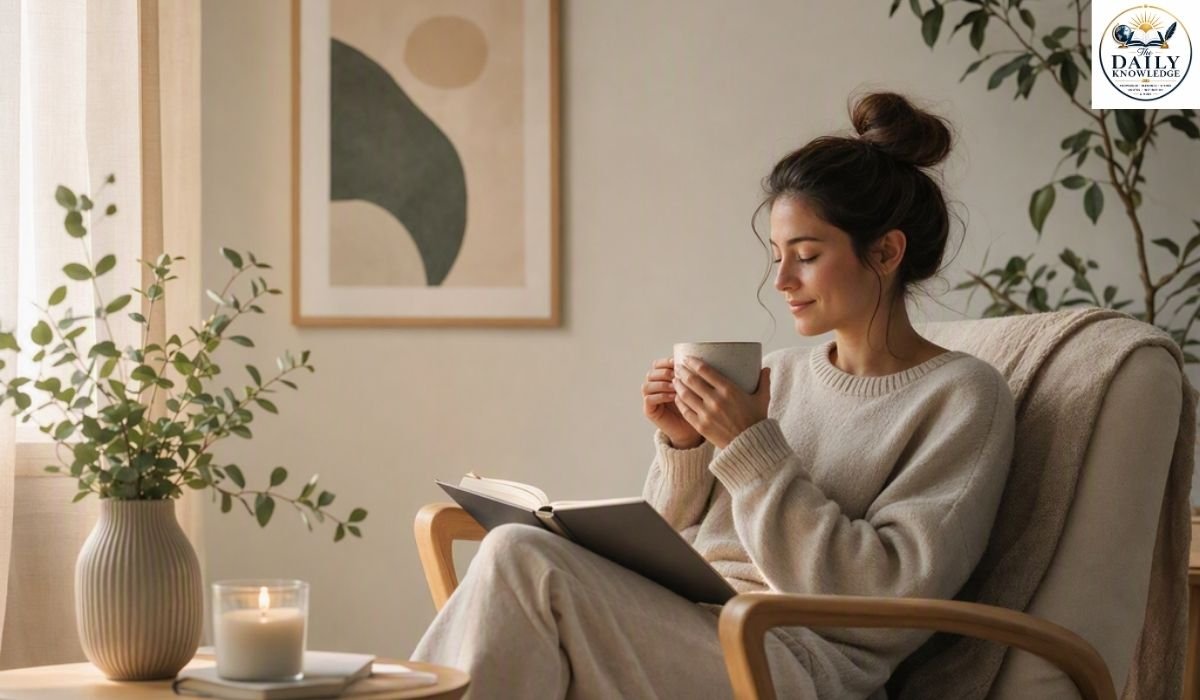
Most self-care advice looks the same: 5 a.m. wake-ups, cold plunges, group workout classes, a packed morning routine before 7 a.m. For introverts, following that advice can leave you more drained, not less — because it’s built for people who recharge through stimulation, not stillness.
Self-care for introverts works differently. It’s less about doing more and more about subtracting noise — protecting quiet, unstructured time instead of filling every hour with another “healthy habit.” Here are 15 low-key ways to actually recharge, without performing wellness for anyone else.
Why Standard Self-Care Advice Often Backfires for Introverts

Introverts recharge by turning inward — quiet, low-stimulation time restores energy, while socially demanding or high-stimulation activities (even “fun” ones) spend it. Most mainstream self-care content is built around extroverted recovery: group classes, high-energy workouts, constant social accountability. None of that is wrong — it’s just built for a different nervous system.
Trying to force yourself through loud, high-effort routines because they “should” work often adds guilt on top of exhaustion. The fix isn’t trying harder at the wrong kind of self-care — it’s choosing the kind that actually matches how you recharge.
15 Quiet Self-Care Habits for Introverts
None of these require a big lifestyle overhaul or an audience to witness them. Each one is a small, low-effort way to practice self-care for introverts that actually matches how you recharge — quietly, and on your own terms.
1. An Unhurried Morning Drink
Skip the 5 a.m. alarm if it stresses you out. Wake when your body’s ready, make coffee or tea, and just sit with it — no phone, no plan. The point isn’t the time of day; it’s a few minutes of stillness before the day starts making demands.
2. A Walk With No Destination
No step count, no route, no podcast. Just walk and notice what’s around you. Without a goal attached, a walk stops being another task and starts being an actual reset.
3. Deliberately Doing Nothing
Sitting, lying down, or staring out a window with no agenda can feel unproductive in a culture that prizes constant output. For introverts, unstructured downtime isn’t laziness — it’s often the fastest way back to feeling like yourself.
4. A Repeatable, No-Thought Outfit
Every decision costs a small amount of energy, and introverts often process information more deeply, which adds up faster. A go-to outfit removes one decision from a day that already has plenty.
5. Calm Background Sound
Instrumental music, ambient noise, or something as simple as rain sounds can regulate mood without adding social or sensory demand the way lyrics or talk radio can.
6. A Full Rest Day, Unapologetically
Sometimes the most effective reset is a day spent horizontal — a show, a book, a nap, no obligations. This works precisely because it’s a full surrender to rest, not a “productive” version of relaxing.
7. Warmer, Dimmer Evening Lighting
Harsh overhead light and blue-toned screens can feel overstimulating by evening. Switching to warm, dim lighting signals to your nervous system that it’s safe to wind down — a small environmental change with a real effect on how relaxed you feel.
8. Talking Things Through With Yourself
Processing your day out loud — in the shower, on a walk, before bed — isn’t strange. It’s a private way to work through feelings without the social cost of needing someone else to be available and listening.
9. A Long, Unrushed Shower or Bath
Warm water, steam, and a closed door are one of the simplest sensory resets available. There’s no technique required — just time alone without anyone needing anything from you.
10. Small, Deliberate Breaks From Social Media
This isn’t a rigid digital detox — it’s just noticing when scrolling starts to feel overstimulating and putting the phone down. Muting or unfollowing accounts that spike anxiety is a boundary, not a big production.
11. One Low-Key Hobby With No Audience
Something you do purely because you enjoy it — drawing, puzzles, gardening — with zero pressure to share, post, or be good at it. Removing the audience removes the performance pressure that turns hobbies into more output.
12. Single-Tasking Instead of Multitasking
Juggling multiple inputs at once is more draining for introverts than the tasks themselves suggest. Doing one thing at a time, especially something routine like cooking or cleaning, can feel restorative rather than dull.
13. Protected “No Plans” Blocks
Actively leaving unscheduled time on your calendar — not “whatever’s left over” — treats recovery as a real appointment instead of something that only happens by accident.
14. A Short, Screen-Free Wind-Down Before Bed
Even 15–20 minutes without a screen before sleep — reading, stretching, or just sitting quietly — gives an overstimulated mind room to settle instead of carrying the day’s input straight into sleep.
15. Saying No Without a Long Explanation
A short, honest “I can’t make it” protects your energy more than an over-explained excuse. Practicing this without guilt is itself a form of self-care — protecting your time is allowed to be enough of a reason on its own.
What Makes Self-Care Different for Introverts vs. Extroverts
| Introverts | Extroverts | |
| Recharges through | Solitude, low stimulation | Social interaction, activity |
| Drained by | Overstimulation, social demands | Isolation, lack of engagement |
| Effective self-care | Quiet, unstructured time | Group activities, external energy |
Neither style is “better” — the point is matching your self-care to how your energy actually works, instead of copying advice built for the opposite type.
Frequently Asked Questions
These are the questions people most often ask when they start looking into self-care for introverts — especially after realizing mainstream wellness advice doesn’t quite fit their energy.
What is good self-care for an introvert?
Quiet, low-stimulation activities that don’t require social interaction or performance — think solo walks, unstructured downtime, or a hobby with no audience — tend to restore energy more effectively than high-intensity or group-based routines.
How do introverts recharge best?
Through solitude and reduced stimulation. Time alone isn’t avoidance for introverts; it’s how their nervous system actually resets, unlike extroverts who recharge through social interaction.
Is it bad for introverts to skip social self-care activities?
No. Self-care isn’t one-size-fits-all. Choosing solitary activities over group ones isn’t antisocial — it’s simply recognizing what genuinely restores your energy.
Can introverts still benefit from routines?
Yes, but the routine should be flexible and low-pressure rather than rigid and performance-driven. A forced 5 a.m. routine can add stress instead of relieving it if it doesn’t match your natural rhythm.
Final Thoughts
Self-care for introverts isn’t about adding more to an already full life — it’s about protecting quiet and permitting yourself to rest without turning it into another task to optimize. You don’t need a dramatic morning routine or a packed wellness checklist. Pick two or three of these habits, build them in without guilt, and let quiet do what it’s actually meant to do.

Azra Chattha is the founder and content creator of The Daily Knowledge. He is passionate about sharing inspiring blessings, prayers, quotes, wishes, and informative articles that educate, motivate, and bring positivity into people’s lives. His mission is to provide reliable, valuable, and easy-to-understand content that helps readers learn something new every day.